
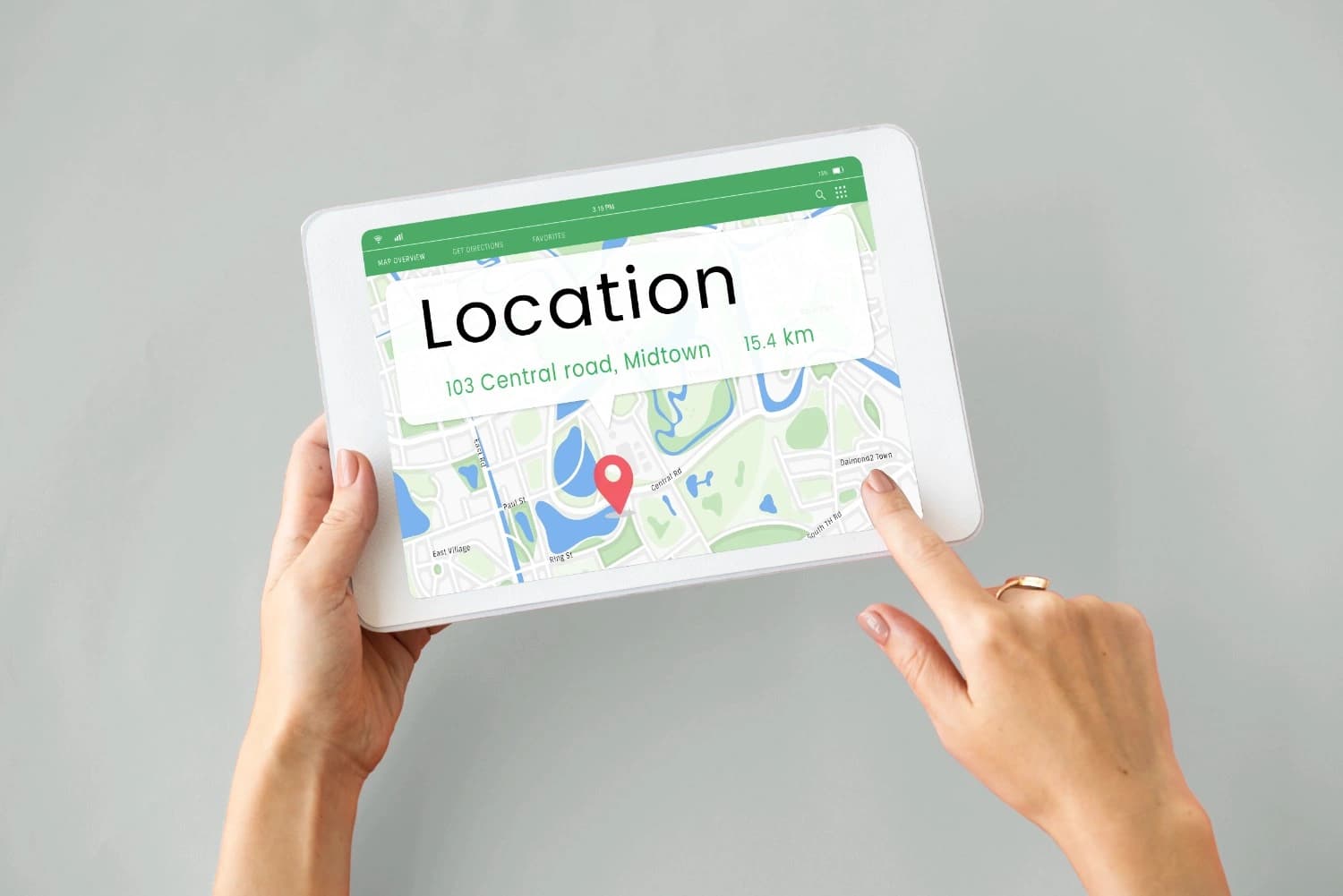
Local SEO Guide: How to Optimize Your Business for Local Searches
In today’s competitive market, having a strong online presence is essential for businesses of all sizes. If you serve customers in a specific geographic area, Local SEO (Search Engine Optimization) can be a game-changer for attracting nearby customers who are actively searching for your products or services. Unlike traditional SEO, which focuses on global or national ranking, Local SEO targets your immediate community — helping you appear in search results for people in your city or region.
Optimize Your Google Business Profile
Your Google Business Profile (formerly Google My Business) is the cornerstone of your local SEO efforts. It’s what appears on the right side of Google search results and in Google Maps when users look for businesses like yours nearby.
Why It Matters
Google prioritizes profiles that are accurate, detailed, and regularly updated because it wants to offer the best experience for users. A fully optimized profile helps you rank higher in local searches and increases the chance that potential customers will visit your store or call you.
How to Optimize
- Complete Every Section: Fill out all profile details including business name, address, phone number, website, business hours, and category. Ensure consistency across the web.
- Add High-Quality Photos: Upload clear photos of your storefront, products, services, and staff. Profiles with photos get 42% more requests for directions and 35% more website visits.
- Post Updates & Offers: Use the Posts feature to share promotions, news, or events. Fresh content improves visibility.
- Set Business Hours and Special Hours: Include regular and holiday hours to avoid frustrating customers.
- Enable Messaging: Allow customers to message you directly through your profile for quick queries.
Collect Reviews and Manage Reputation
Customer reviews are one of the most influential factors in local SEO and consumer decision-making. Positive reviews improve your rankings and build trust with potential customers.
Why Reviews Matter
- Google Ranking: Reviews are a key ranking factor in Google’s local algorithm. Businesses with more positive reviews generally rank higher.
- Customer Trust: Reviews serve as social proof, helping new customers feel confident about choosing your business.
- Engagement: Responding to reviews, whether positive or negative, shows you care about customer feedback and service.
How to Collect Reviews
- Ask satisfied customers to leave reviews via email, receipts, or in person.
- Provide direct links to your Google Business Profile review page on your website and social media.
- Respond promptly to all reviews to show engagement and professionalism.
- Use review management tools like Podium or Birdeye to automate requests and monitoring.
Target Local Keywords for Maximum Impact
Using the right keywords is crucial for getting found in local search results. Local keywords combine your services with geographic locations to ensure your website appears for nearby customers.
Understanding Local Keywords
Local keywords typically include:
- City or neighborhood names: “Plumber in Brooklyn”
- Service + location: “Best pizza delivery in Austin”
- Landmarks or regions: “Hair salon near Central Park”
How to Find the Right Keywords
- Use keyword research tools like Google Keyword Planner, Ahrefs, or SEMrush.
- Analyze competitors to discover high-performing local terms.
- Focus on long-tail keywords like “emergency locksmith service in downtown Chicago” to capture highly targeted traffic.
Implementing Keywords Effectively
- Include local keywords in website content, meta titles, descriptions, and headings.
- Use keywords naturally; avoid stuffing for better readability.
- Include keywords in image alt text and URLs for improved SEO.
- Update your Google Business Profile with location-specific keywords in the description and posts.
Additional Local SEO Tips
- Build Local Citations: Consistent business listings on directories like Yelp, Yellow Pages, and industry-specific sites improve trust and visibility.
- Use Structured Data: Schema markup helps search engines understand your business details for better listing results.
- Optimize for Mobile: Ensure your website is mobile-friendly, as many local searches happen on smartphones.
- Engage on Social Media: Connect with local customers through Facebook, Instagram, and other platforms to boost visibility.
Conclusion
Mastering Local SEO is essential for businesses that want to attract nearby customers and increase foot traffic, calls, or online inquiries. By optimizing your Google Business Profile, collecting and managing reviews, and targeting the right local keywords, you’ll establish a strong online presence that drives growth and revenue. Implement these strategies today and watch your business get discovered by local customers searching for your services.